
DIY Graphic Design Tips for Small Businesses


Understanding Your Brand Identity
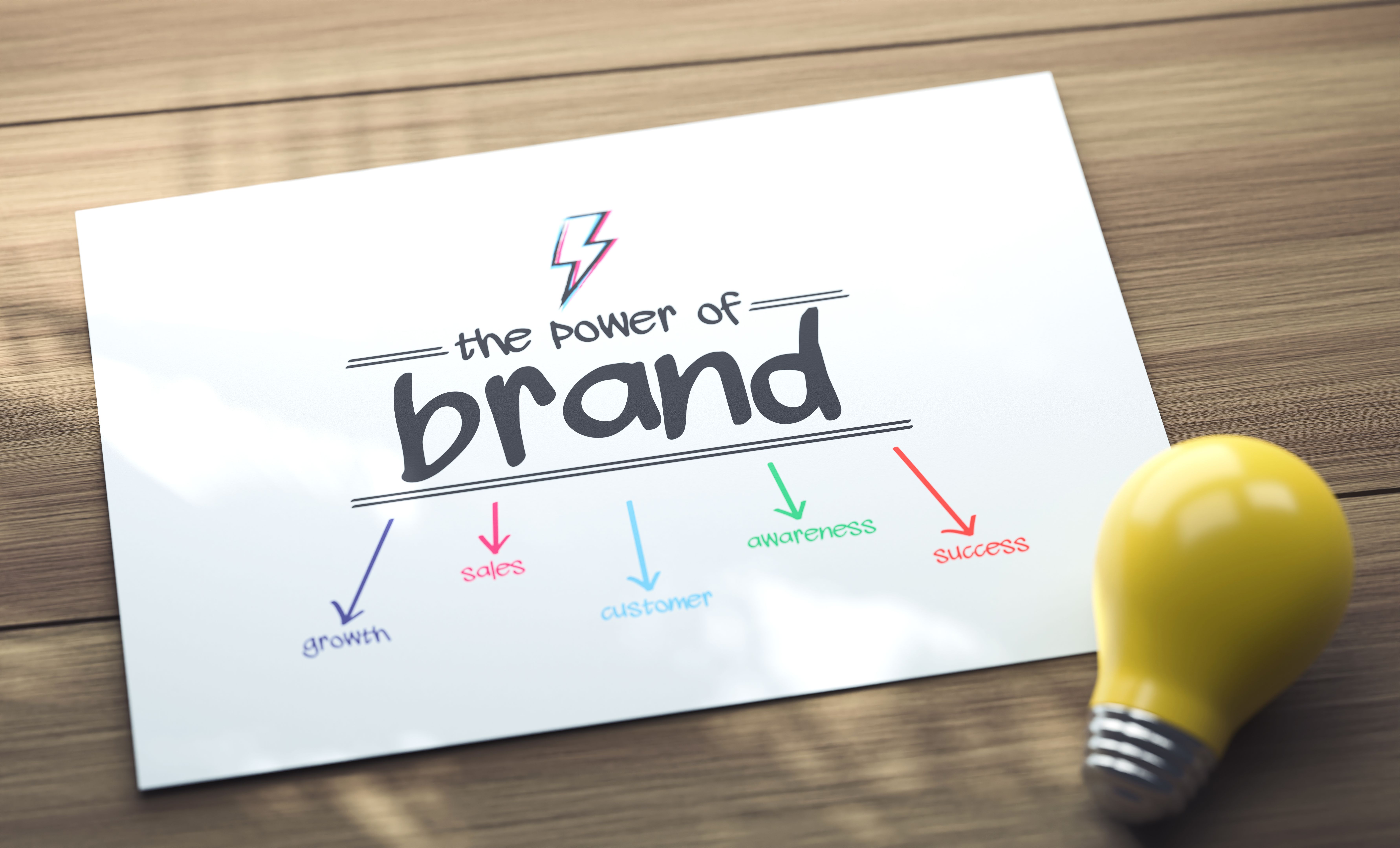
Before diving into DIY graphic design, it's crucial to have a clear understanding of your brand identity. Your brand's colors, fonts, and overall style should consistently reflect your business values and goals. This consistency helps in building a strong brand presence, vital for small businesses aiming to establish themselves in a competitive market.
Start by defining your brand's core message. Are you modern and innovative, or traditional and reliable? Once you have that down, choose a color palette that conveys these traits. Tools like Adobe Color can help you select harmonious colors.
Choosing the Right Tools
With numerous graphic design tools available, selecting the right one can be overwhelming. For beginners, tools like Canva and Crello offer user-friendly interfaces with a wide range of templates. These platforms are perfect for creating social media posts, flyers, and brochures without needing extensive design skills.
For those who are more adventurous, Adobe Spark provides more customization options. These tools often come with tutorials and tips to help you make the most of their features, making them an excellent choice for small businesses.
Designing for Social Media
Social media is a powerful platform for small businesses, and having visually appealing content is key. When designing for social media, consider the platform's specific requirements. For instance, Instagram thrives on visually stunning images, while Twitter is more text-focused.

Use your brand colors and fonts to maintain consistency across posts. Additionally, experiment with different formats like carousel posts or stories to engage your audience effectively.
Emphasizing Simplicity and Clarity
When it comes to graphic design, *less is more*. Overloading your design with too many elements can confuse your audience and dilute your message. Focus on simplicity and clarity to ensure your designs effectively communicate your intended message.
Pay attention to spacing and alignment to create a balanced look. Use white space to your advantage, helping important elements stand out without overwhelming the viewer.
Utilizing Free Resources
Small businesses often operate on tight budgets, so taking advantage of free resources is essential. Websites like Unsplash and Pexels offer high-quality stock images that can be used to enhance your designs without any cost.

Additionally, Google Fonts provides a vast collection of fonts that can be used to maintain a professional appearance. These resources are invaluable for creating polished designs without incurring additional expenses.
Testing and Gathering Feedback
Once you've designed your graphics, it's important to test them across different devices and platforms. Ensure that your designs look good on both desktop and mobile devices, as your audience may access your content from various devices.
Gather feedback from colleagues or friends to gain insights into how your designs are perceived. Constructive criticism can help you refine your designs and improve your skills over time.
Continuously Learning and Improving
Graphic design is an evolving field, and staying updated with the latest trends and techniques can give your business a competitive edge. Follow design blogs, take online courses, or join design communities to continuously improve your skills.
Remember, practice makes perfect. The more you experiment and design, the more confident you'll become in your abilities. With dedication and creativity, your small business can create compelling visuals that resonate with your audience.