
Mastering Graphic Design: A Comprehensive Guide for Beginners


Understanding the Basics of Graphic Design
Graphic design is an art form that combines creativity and technology to communicate ideas visually. For beginners, it’s essential to grasp the basic principles that guide this field. These principles include balance, contrast, alignment, repetition, and hierarchy. Mastering these concepts will help you create aesthetically pleasing and effective designs.
Before diving into creating designs, familiarize yourself with the fundamental elements such as color, typography, and imagery. Understanding how these elements interact is crucial to conveying the right message and emotion in your work.
Choosing the Right Tools
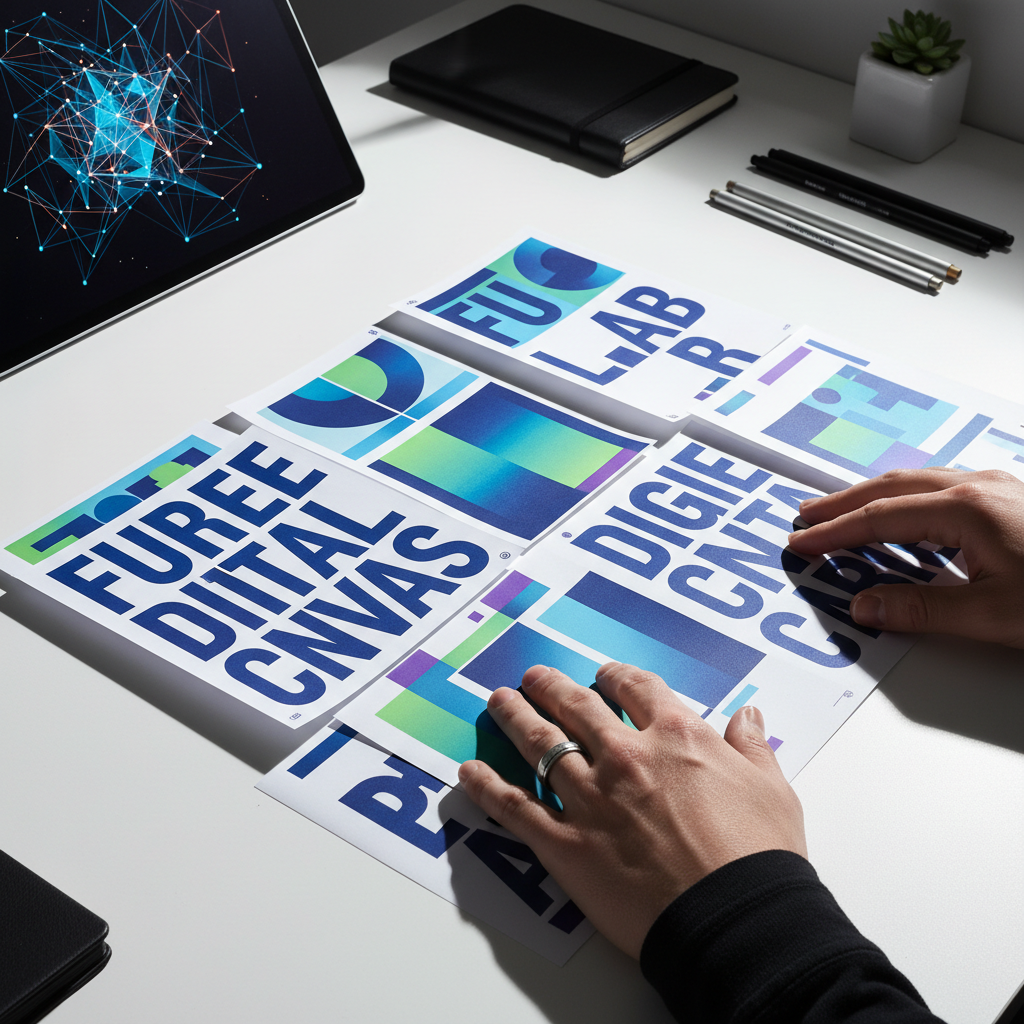
With numerous design tools available, selecting the right software can be overwhelming for beginners. Popular options include Adobe Creative Suite, which offers comprehensive tools like Photoshop, Illustrator, and InDesign. Alternatively, free options such as GIMP and Canva provide accessible solutions for those just starting.
Each tool offers unique features, so it’s beneficial to experiment and find what works best for your style and workflow. Investing time in learning these tools will greatly enhance your capabilities and efficiency as a designer.

Building Your Skills
Developing your skills as a graphic designer requires practice and dedication. Start by working on small projects or recreating designs that inspire you. This practice will help you understand different techniques and develop your unique style.
Consider enrolling in online courses or attending workshops to gain insights from experienced designers. Platforms like Skillshare, Coursera, and Udemy offer a wide range of courses tailored to various skill levels and interests.

Understanding Typography
Typography plays a critical role in graphic design, as it affects readability and the overall aesthetic of your work. Choosing the right font and understanding how to pair different typefaces can significantly impact your design’s success.
Experiment with different fonts and pay attention to details such as spacing, size, and weight. Learning the art of typography will help you convey your message effectively and enhance the visual appeal of your designs.
Creating a Portfolio
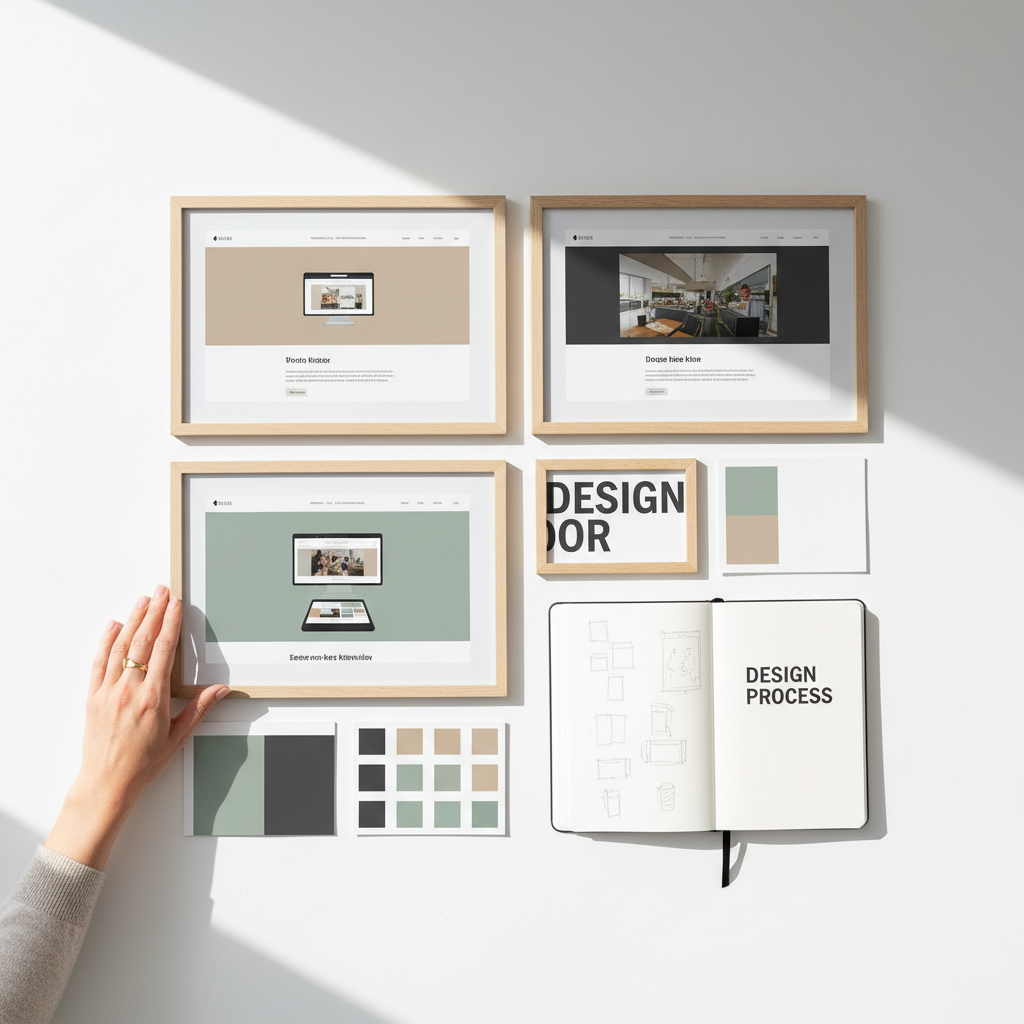
Building a strong portfolio is essential for showcasing your skills and attracting potential clients or employers. Include a variety of projects that demonstrate your versatility and ability to solve different design challenges.
Ensure your portfolio is well-organized and easy to navigate. Highlight your best work and provide context for each project, explaining your design process and the goals you achieved.
Staying Inspired and Updated
Graphic design is an ever-evolving field, and staying inspired and updated is key to success. Follow design blogs, join online communities, and attend design conferences to stay informed about the latest trends and technologies.
Engage with other designers, seek feedback, and be open to constructive criticism. This continuous learning and interaction will keep your creativity flowing and ensure your skills remain relevant.
Conclusion
Mastering graphic design requires a blend of creativity, technical skills, and continuous learning. By understanding the basics, choosing the right tools, and building a solid portfolio, you can set yourself on the path to success in this dynamic field. Stay curious, keep practicing, and let your passion for design guide your journey.